Andrew Colson never intended to kill anyone. The dead that haunted his childhood had other plans.
The first ghost to appear to him was Billy Jumper, a four-year-old special needs child murdered by his stepfather in a drunken fit. Billy was followed by Sarah Lockingham and Janie Whiteside, then the one person who he loved most, his father.
After the death of a close friend, Andrew learns what the ghosts want from him and sets out to fulfill their needs. In doing so, Andrew discovers a devastating truth that may push him beyond setting things right for the dead. It might lead him to revenge.
Coming to an e-reader in your hands or get your hard copy on September 13th.
Memories are funny things. Sometimes they are as crisp and clear as yesterday. Sometimes they are hazy, like a foggy morning in the mountains. I think this one is somewhere in between. (These memories are completely unedited. They are written in one sitting and I feel if I go back and edit them, my mind will tell me something is wrong and want to make changes. )
My grandparents lived in the mill hill in West Columbia, not more than a couple hundred yards from the Congaree River. My brother and I spent a lot of time at the river, more times than not getting soaked because we were either stupid, daring or both. We skipped rocks, broke bottles (yeah, with rocks), and even got in trouble one time when the pretty little girl who lived on Alexander Road stepped on some of the glass we had shattered with a bunch of rocks we couldn’t skip (we caught hell for it and had to go down to her house and apologize for being idiots—that’s what my uncle called us).
We walked those streets like we owned them, even though we knew if we did something wrong, our grandparents would know before we got back to their house.
There were few kids in the neighborhood, most of them like us who were only around when they visited their grandparents. There was Wayne and David—popular names back then, apparently, and I knew three sets of brothers with those names. There was another Wayne and David who were not brothers (they were cousins) who visited from time to time. Bryce lived on the corner of Sortwell Street for a while and Susan visited her grandmother from time to time (whew, she was a sight for young boy eyes and the only girl on the street). There were the Burnette Brothers whose names I can’t recall now to save my life—they became the models for the bullies in Cory’s Way. They were the local bullies, mean as hell, ugly as hell. Then there was Tony C., not to be confused with my buddy Tony M., who I often called T.
Tony C. was not much to look at as far as boys went in the late seventies and eighties. I can’t really say I was either, but I think I grew up and became better looking with age. His face was loaded with freckles, his hair was dark brown, skin fair. He was thin and his voice was kind of higher in pitch. He was a part time friend who always tried to intimidate the rest of us. We tolerated him because sometimes there was no one else around to hang out with. We played marbles in my grandparent’s front yard; played cops and robbers at his grandmother’s house two blocks down. We got in more fights when he was around than when he wasn’t. I don’t think we ever truly became friends.
There was this one time … I think it was the only time any of us really showed some sort of compassion for each other. I was walking down the street by myself. I don’t recall why my brother wasn’t with me, but he wasn’t. I was, maybe nine, maybe ten—memories don’t always recall time too well. I passed Tony’s grandmother’s house to see him sitting on the porch, his knees pulled up to his chin and his arms wrapped around them. His back was against one of the porch pillars. He was wearing bluejeans—he always wore bluejeans—and a T-shirt that I think was white, but I honestly can’t remember.
I asked him if he was okay. He looked up. He had a shiner that would get worse before it got better. He had been jumped by the Brothers and the fight didn’t last long. I remember thinking he had probably ran his mouth at them and his face paid the price. Maybe that was true. Maybe it wasn’t. It didn’t matter. I opened the gate and entered his grandmother’s yard. I went up the steps and sat beside him. I have no clue how long I sat beside him, but neither of us spoke for the longest time. His sniffles dwindled and he wiped his nose.
His grandmother came to the door and said it was time to eat. We looked at each other and stood. I shrugged my bony shoulders as if I didn’t know what to say, and I didn’t. He wiped his nose again, then Tony C. went inside and closed the door.
That was the last time I saw him.
Fast forward many, many years later and my baby brother and I stopped one day in the parking lot of a Bi-Lo’s. We got out and walked. We talked about life and other stuff, but mostly life. We made our way to my old stomping grounds and I took that stroll down Memory Lane. I pointed out things, like where the German Shepard had chased me and my older brother and where some of my friends lived and where the old park used to be and the house where another pretty, but older girl lived and would wash her car in a bikini during the summer—yeah, us boys spent some quality gawking time at that park during the summer.
We passed by Tony’s grandmother’s house and a man was out in the yard. I stopped and asked about the lady who lived there once upon a time. I also asked about Tony. Turned out, he was Tony’s cousin.
“How’s he doing?” I asked.
“Tony’s dead,” he said.
I was stunned at this matter of fact statement. The story went like this: Tony had been in all sorts of legal troubles during his life. He had spent time in prison, and as was his life, he got into some more trouble. Instead of going back to prison—which he surely would have, even though his cousin said Tony didn’t do anything wrong—he committed suicide. We talked a little while longer, then said our ‘goodbyes.’
I often think about Tony C., and our tolerating relationship. I also think about the last time I saw him. It was an unspoken understanding we had that day. He needed comfort and I provided it, though I didn’t realize it then. I’ve often wondered if I would have done something different, said something, tried to make him feel better, something other than just sitting there with my elbows on my knees looking out at the street in front of us. I don’t think I would have. I think that understanding: ‘I know you’re hurt and I won’t say anything,’ from me and a simple, ‘Thanks for that,’ from him was the only thing we ever shared that wasn’t argumentative or spiteful. I think it’s the only good way to have ended a friendship that never really was.
My wife, Cate, joined a fitness group. They support each other with words of encouragement, congratulations on achieving goals, and friendship on their quests to become healthier. I’ve watched my wife take on this fitness routine with a fierce determination that makes me proud of her. They also do check-ins through the Marco Polo video app. Cate listens to them throughout the day, whether it is while she is driving or eating or just sitting on the couch resting after a long day. Seeing how I’ve been in the vicinity of my wife on a few occasions when she listened or watched these videos, I have heard a few of them. These women seem to genuinely care about each other, which is something we don’t see a lot of these days.
On the first Saturday in April, Cate and I took a day trip to several state parks here in South Carolina. Before we visited any of the parks, we popped into an RC car shop in Monroe, North Carolina, then went and had what amounted to brunch at this little diner called The Village Grill. As we sat and ate (me eating a sausage, egg and cheese sandwich and she eating a salad), she mentioned one of the videos she recently watched. The woman’s name is Marcia and her check-in was kind of typical check-in fair, but the main part of it was about one word: Impossible.
Before I continue with my story, let me state that after Cate told me about it, I asked if I could listen to it. A couple days later, as we sat at the kitchen table (me working on the RC car I bought the Saturday before, and she watching Marco Polo videos), she asked if I wanted to see the one by Marcia, the one about the word Impossible.
“Of course,” I said.
She tapped the screen of her phone a couple of times, then turned it around for me to see. Though, I didn’t look at the video, I stopped what I was doing and listened.
Marcia mentioned how, at the beginning of the year, they were challenged with coming up with a word … a word for the year. It sounded like this word could be the one that defines their year. Or, maybe, it was a word of encouragement or something to strive for. Marcia liked the words some of the others came up with, but none of them was her word. None of them spoke to her.
Then, in one of her workout programs, the instructor mentioned the word Impossible. It clicked with her. It resonated with her, and I think it might resonate with you—it did with me.
Stick with me. This next bit is important.
Marcia mentioned how she is older (no, I’m not mentioning her age), and how she might have a little more weight on her bones than she thinks she should be carrying, and how she has bad knees. They were all things she could use to say she couldn’t do something, or maybe, something was Impossible for her to accomplish. It may not be exactly the same, but we all have things that we make excuses for why won’t try to do something. I don’t want to say it was an excuse for her, but I believe she alluded to it.
Ahh, but then the instructor said that word. Impossible. It hit her. The word Impossible is made up of two words: I’m Possible. By seeing it as I’m Possible, the concept of Impossible changed for her.
I’m Possible. Do you get that? Read it again:
Impossible … I’m Possible.
Marcia goes on to state, in a somewhat excited tone, that “I’m possible to be the wife I need to be to my husband, the mother I need to be to my children …” But the realization doesn’t end there. She can be so much more—the possibilities are limitless. This was a huge realization for her.
There is more to Impossible and I’m Possible than just breaking the word into two and putting an apostrophe in there. It’s a mindset. It’s about believing in yourself, in your abilities, in your determination. It’s not making excuses.
It’s about Can and Can’t. Possible and Impossible.
If you go into something with the word Can’t (or Impossible) on your lips or in your heart, then you’ve sabotaged yourself. You’ve already given up, but you don’t realize it, yet. Mentally, you’ve checked out and you might think you are putting a lot of effort into something, but you aren’t—at least not the effort you could put forth if you went in with the mindset of I Can. Can’t or Impossible truly limits you in what you will do.
When I was younger, I played a lot of sports. I was good, especially at basketball. Every time I stepped onto the court I felt like I was the best player out there. It didn’t matter if I was or wasn’t because, mentally, I believed I was. Believing in yourself is more than half the battle. I sized up my opponent before the game started, and in my head and in my heart, I always believed, “I’m going to own you.” I never went into a game thinking my opponent could beat me, that he was better than me.
It was a mindset. Just like Impossible and I’m Possible is a mindset. If you think it’s Impossible, it will be. If you think I’m Possible, YOU will be.
What Marcia did was look at things with new eyes. Instead of things being Impossible for her because she was a little older, maybe a little overweight, and had bad knees, she began seeing all things are possible if you believe.
I’m Possible is also about ownership. Ownership of who you are, what you do, and how you view life. It’s making no excuses. There are no I Can’ts with I’m Possible.
With that in mind, be possible. Not just possible, but be possible without limits. Believe in the term I’m Possible. Believe that you have the ability to do anything you want, and not just be who you are, but be who you want to be. Don’t say I can’t. Don’t give yourself a reason to not be possible. Be like Marcia.
Until we meet again, my friends, be kind to one another.
I want to tell you a story. Well, it’s not really a story, but a moment in life, a few minutes of a day that was pretty much like any other day, except for these few minutes. But aren’t these moments what stories are made of? Aren’t these moments the times that we recall later in life, the stories we tell people? Moments like this are exactly what stories are made of.
It was a wet day. Gray outside. Rain coming in fits and starts. Just two days earlier it had been in the upper seventies. Pollen dusted most outside surfaces. People had been out and about enjoying the beautiful weather. But, like I said, that had been two days earlier. On this day it was in the mid-forties, rainy and windy. I’m not sure that really plays into the moment, but it might have. I’ll let you decide.
The events took place after a routine morning of stretching, coffee, getting ready for work, and going to that job I got ready for.
I went to the post office, something I do from time to time when there is no one else there to do it. I had my raincoat on and I walked the two blocks there only getting rained on a little. At the post office I said good morning to Mrs. Cathy and we exchanged about thirty seconds worth of pleasantries. We gave our “Have a good days” and I left. The rain had picked up by then and I flipped my hood up.
Normally, I will make a left at the corner and walk along the sidewalk until I reached the next corner, where I cross the many lanes of traffic one way, then the many lanes of traffic the other way. I then walk the half block to the backside of the building I work in. It’s pretty simple and usually takes about ten minutes round trip.
This day should have been no different.
I reached the corner of the block and stopped. Though I had the little white walkie man on the sign and the light was red for cars traveling in that direction, I reached the corner the same time as a car did. It was a burgundy Toyota, nothing new but certainly not something older than ten years. It had slowed a little faster than I liked and came to a stop halfway in the crosswalk. I waited for a couple of seconds to see if the person driving was going to make a right turn, even though I had the right of way. When the car did not go, I stepped into the road and started to round the front of the car.
That is when things went south.
I glanced at the car when i was about halfway by it. It lurched forward. Time did not stand still but it slowed down considerably like in the movies or a good book. There was no way to avoid what happened next. I didn’t jump but somehow ‘lifted’ myself a little. The car struck my left knee. I tensed up and lowered my elbow and shoulder as I fell onto the car’s hood. My elbow struck first, then my shoulder. I rolled to my right and off the car, landing on my right foot, then my left. Then I took a step backward.
The entire incident was maybe three seconds, but they could have been far more devastating than what they were.
I was shocked.
I was stunned.
I was pissed.
I honestly believe the person in the car had struck me on purpose. I thought for a second there that the person had gotten angry that I decided to cross at the crosswalk when I had the light and drove into me on purpose. I imagined this angry guy with a scowl on his face and wearing a wife beater sitting behind the wheel and cursing me for having the balls to cross when I had the right of way. Or maybe he was just impatient and thought I was walking too slowly. I didn’t know.
I held my arms out at my side and yelled, “What the heck are you doing?” Yes, I said heck and not any of the other words that probably could have come out of my mouth.
I stood in the road, mail rubber banded together in my left hand, and stared at the car for maybe ten seconds. When the driver didn’t open the door I thought, “They’re going to run.” I reached into my back pocket and pulled out my phone, certain I was going to have to take a picture of a fleeing vehicle’s license plate.
During all of this, the light turned green. I stepped out of the road, my phone in hand and watched the burgundy Toyota. I flexed my left knee, rotated my shoulder and bent my elbow several times to make sure I was okay. Thankfully, there was no immediate notice of injury.
The light turned red and the car had not moved. The hazard lights were now on and blinking their orange warnings. Then the door opened, and sitting in the car was not some crazed guy wearing a wife beater, but a woman who was possibly eighty or so (and if not, she missed a good chance to be). Her hands were shaking and she was crying—I’m talking ugly crying with tears and her face scrunched up and snot dribbling from her nose like a sniffly three-year-old.
“Oh my God, Oh My God. I am so sorry.” She said this over and over again.
Suddenly, I felt like crap standing there on the side of the road. I had yelled, not at the woman, but at my perception of who had to be driving that car. But that wasn’t who was there. Instead there she was, crying—sobbing—and shaking like a leaf in the wind. She was pale and constantly saying “I’m sorry.”
Right then, I had a choice. I could be a jerk and be rude to her or I could console her. Though it should have been the other way around—after all, I was the one hit by the car—I chose to console her. I squatted down in her doorway and we talked. Well, that’s not quite accurate. I talked, she cried and said she was sorry over and over again.
As I squatted in her door trying to calm her down, I discovered there had been a witness. It turns out, a man who was maybe my age or a little younger, had seen the incident. He walks by the car where I am with this distraught woman and he said to me, “You need to call the cops.” He didn’t asks if either of us were okay. He just saw me do a slow motion Dukes of Hazzard style roll off the hood of a car and all he could say was, “You need to call the cops.” And it wasn’t just what he said, but how he said it, as if he couldn’t see the crying woman. In his eyes, I was the victim and she was the criminal. This was an opportunity for this guy to step in and be somewhat of a hero. Instead, well … you can see what I think of him two sentences from now.
Yes, I got pissed a second time.
I turned to him and in my amazing wisdom, I said, “You don’t need to be a d*ck.”
It was his turn to have a shocked look on his face. I continued. “If you’re not going to help the situation, stay out of it.” He said something, but I don’t know what it was. He did, however, walk away.
I turned my attention back to the woman. I learned a couple of things from her: 1) she parks in the garage not thirty yards away from where we were, 2) she works in the building we currently were in front of, and 3) she had just found out her sister was diagnosed with pancreatic cancer. The last of those three things told me her mind was elsewhere. She had said, multiple times, she had not seen me. She looked left then right and didn’t see me. Of course she didn’t. Her mind was on her sister—her terminally ill sister.
With her still crying, I knew right then she was having a far more difficult go of things. Her hitting me was the straw that broke the floodgates open. It was my turn to ask if she was okay. She was not. I knew that. We sat and talked as cars went by, some honking because they were impatient and we were an inconvenience to them.
Finally, after about fifteen minutes of trying to calm her down, she said she was sorry one last time. I reached over and took one of her shaking hands and said, “Ma’am, don’t say you’re sorry again. You’ve said it forty times. I forgive you. I am okay. Okay?”
I held her hand for probably thirty seconds. One thing I have learned in life is the importance of the human touch. The human touch is personal. It can have a calming effect or a damaging one. This is why hugs in hard times are so important and often lead to people letting their guards down long enough to get a good cry out. This is why physical or sexual abuse is so damaging, because it should never happen and it’s a personal attack on our bodies (and psyches). It can comfort in a time of stress.
After getting assurance she was finally calm enough to drive the thirty yards to the parking garage, I stood, closed her door and backed out of the road. I watched her make the turn and drive away.
As I made my way back to the office, this lady was on my mind. I had yelled at her after she hit me. I think it was a natural reaction, but I can’t help but believe that part of the reason she didn’t open her door right away is because of my dramatic display of anger and she was, possibly, scared of me. I felt terrible about that.
When I arrived back at the office, most of my co-workers were already there. I walked in and one of them looked at me and said something, which I don’t really recall now.
My response? “If you get hit by a car, do you get to go home?”
It was a tension joke all the way. It was at that moment that it sunk in: I had been hit by a car. Three seconds of my life could have ended much worse than it did. Three seconds either way and this story is different—or maybe not told at all.
But there’s more to this than those three seconds. There were choices made. I had a choice: call the police and file a police report or look at this woman with compassion and console her. I chose to console her. I chose to look at someone—a complete stranger—as a human being, not as someone who struck me with their car, not as someone I could sue and get money from, not as someone who was negligent and needed to be punished. I looked at her like I would my grandmother, and I hurt for her. I can only imagine what went through her head as she sat in her car: “I could have killed him.” Yeah, that might have been one of the thoughts she had. I can only imagine.
I chose compassion over anger. I chose not to pursue a legal course of action. I chose to forgive and go on with my life. Unlike the guy who passed us and didn’t offer help or even ask if we were okay, I chose to not make this woman’s life any harder.
There are moments in life where you can do the right thing or the thing you want to do or even the thing everyone else would do. Those are the moments that define you as a person, they show you—and the world—the type of character you have. Sometimes the right thing is easier to do than you think. It’s called having a heart and caring.
A moment in life—three seconds—and things could have been different in a worse way. This is life. This is the way life happens and life is the very heart of every story.
Until we meet again, my friends, be kind to one another.
Before I get started today, I want to state two things. This post will have a LOT of pictures. Second, if you are a long time (or even first time) reader of Type AJ Negative, hit the like button at the end of this post and leave a comment. Give me some feedback, especially about the last part of this post.
Let’s dive in.
I realize I haven’t been around as much as a couple months ago, but if you have followed me any length of time, then you know I go in spurts. Sometimes I post two or three times a week, then don’t post another thing for a month. I try to go for quality over quantity. I hope that means my absence makes your hearts grow fonder. If not then …
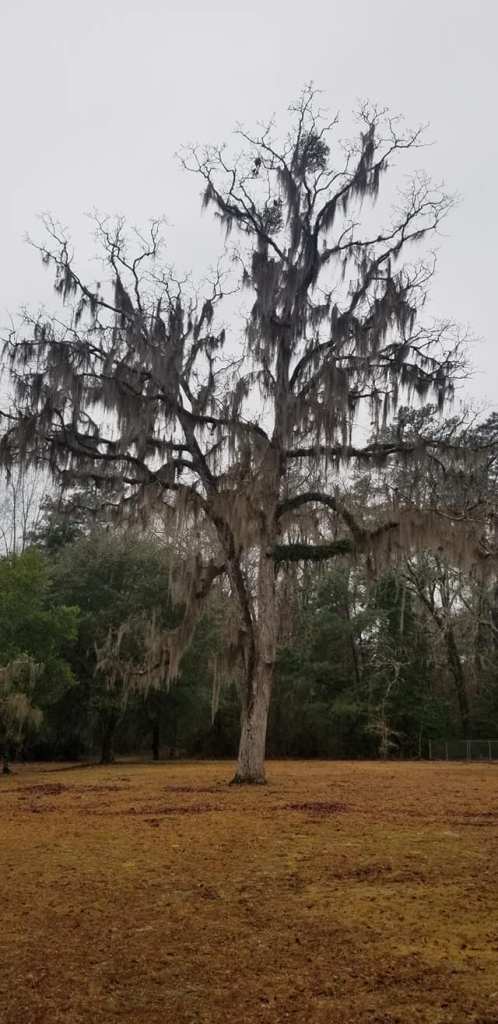
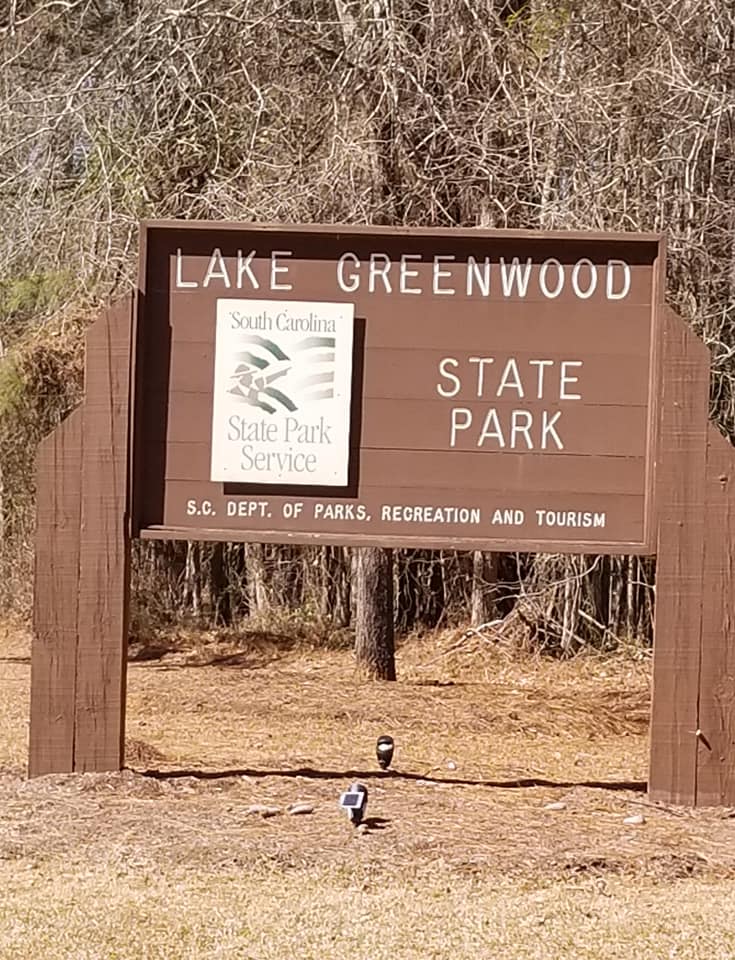
So, where have I been pretty much since the beginning of the year? After not really going anywhere in the year of the Covid, 2020, Cate and I have spent nearly every Saturday of 2021 driving around, visiting parts of our state, going to state parks and spending a lot of time together. Rain or shine, cold or warm, we have been out and about, determined not to spend every waking moment cooped up in our house.
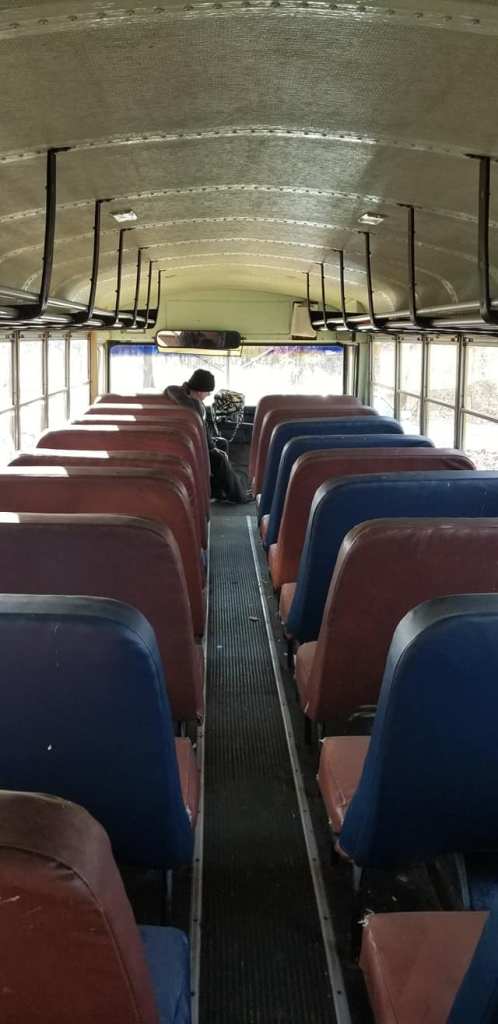
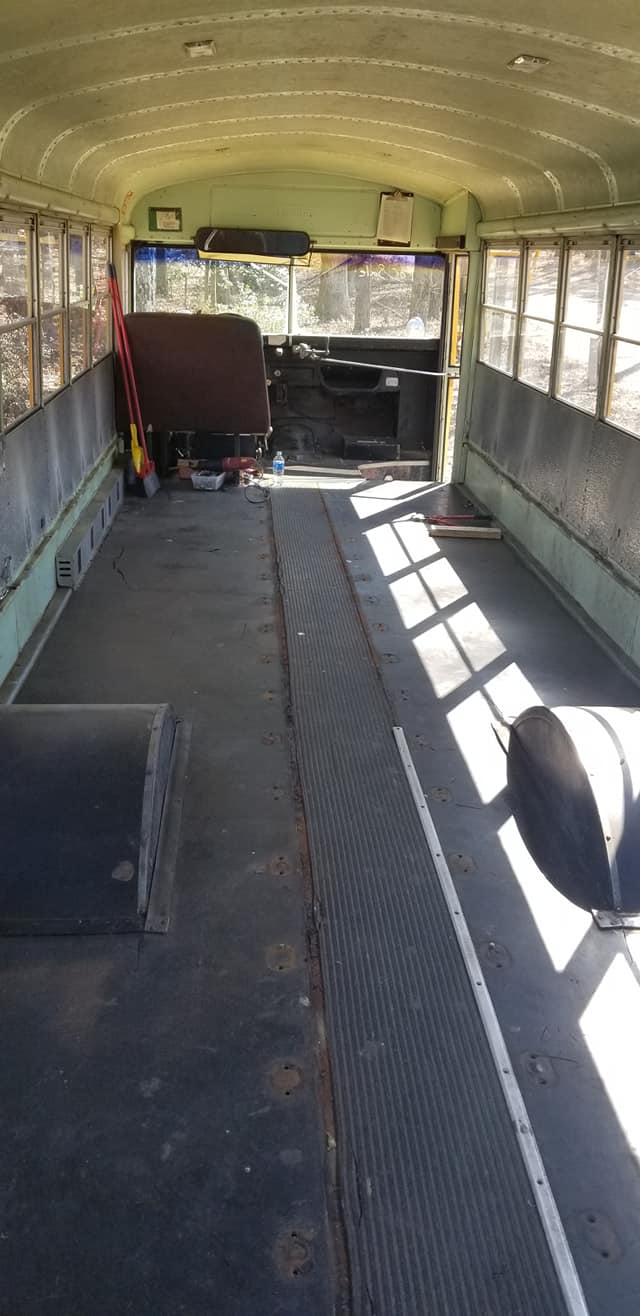
That’s not the only thing going on. We have purchased a school bus. No, not a little school bus, but a regular sized bus. It’s huge. We’re in the process of renovating it and turning it into a tiny cabin. We call it The Get Away Bus. We got it in January and have spent at least one day every weekend (except for Valentine’s weekend) working on it.
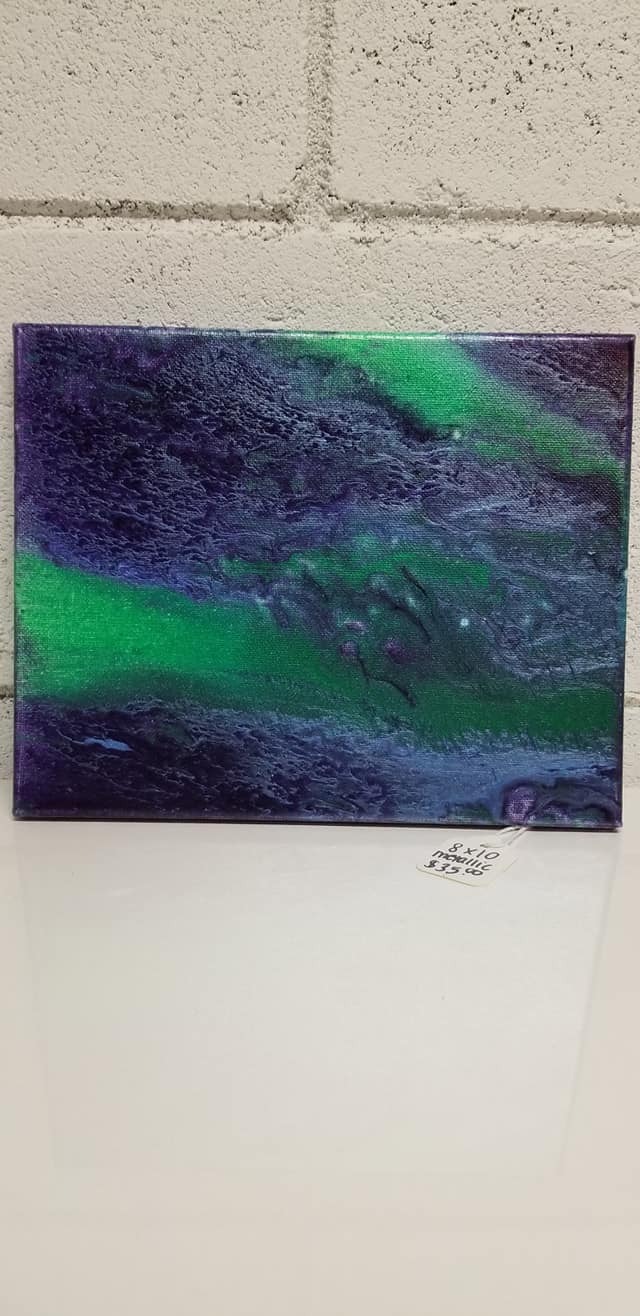
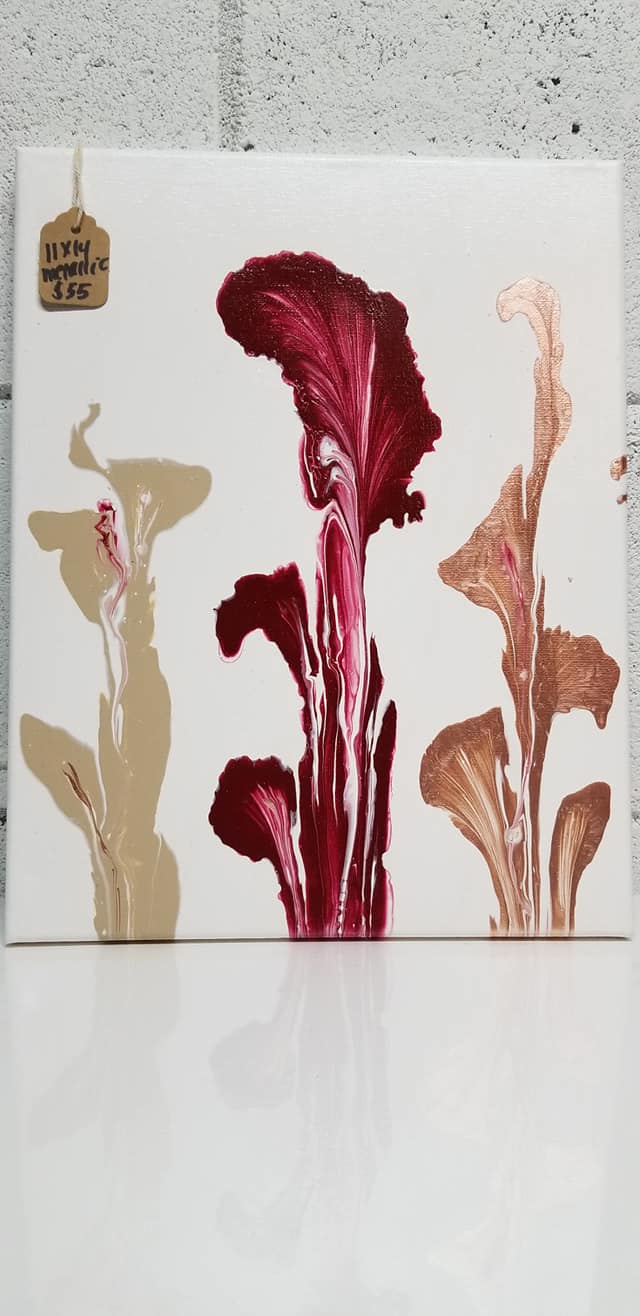
Cate has also begun pursuing her art. Back in September of 2020, I turned my shop into a studio for her so she would have a place to paint and explore different styles of art. She has done some amazing artwork. (Yes, her artwork is for sale, so you can check out her Facebook page at: https://www.facebook.com/Cates-Chaotic-Creations-113445590484536
But wait, there is more.
I’ve gotten back into the Remote Control Car hobby. I’ve spent a lot of time researching things I didn’t know, and learning some of the ins and outs. I’ve rebuilt two of my RCs and fixed two others, including one that hasn’t worked in over ten years. For the first time since first dabbling in the hobby, I’m enjoying it.
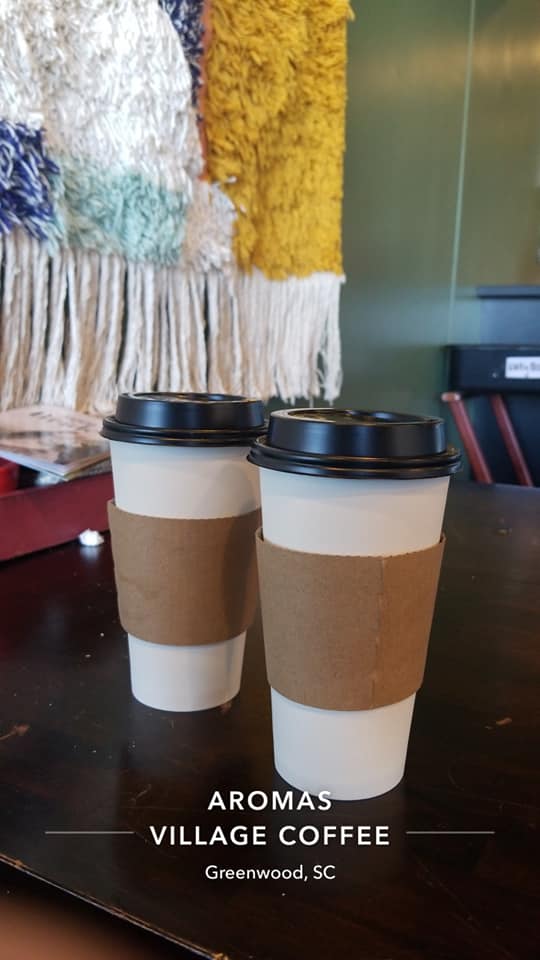
We’ve also restarted the Gettin’ Caffeinated Coffee Tour blog.
To say Cate and I have kind of thrown ourselves into 2021 is an understatement.
There is one more thing. This is a big thing. I’ve taken a step back from traditional publishing. It’s something I have thought about quite often in the last couple of years. If I’m thinking about it that much, maybe I should actually do it. This does not mean I will not be writing and putting out work. It just means I’m under no pressure to do so.
A few years ago, I was told in order to stay relevant I had to constantly put out work to keep my name on the tongues of the readers. With that in mind, I constantly posted on blogs and social media, I sent out booklets to people, I released books and tried to engage people in person and online. I wrote a lot of stories, many of which felt forced and I didn’t like (and which have never been published). I put so much pressure on myself to be relevant that I stopped enjoying the thing I loved doing: writing.
Here’s an honest moment I hope everyone understands (though I’m sure some will disagree, maybe even vehemently): I feel the publishing model is broken. I feel there is so much wrong with how things are done in publishing, from some of the way authors are treated by publishers and editors to the way some publishers steal ideas from others, to the way royalties are divided, to the way some (dare I say, many) authors no longer care about putting out good work, to how crappy Amazon is for writers and how people view authors whose work is not on Amazon, to writing organizations taking their fees but not really doing much for the writers, to those same organizations frowning on those who choose not to join them. It’s a crappy model and I have no clue how to go about fixing it.
So, here is what I am doing: I’m creating a Patreon page for my writing. If you don’t know about Patreon, it is a subscription-based system that allows artists to have control of their art and for fans to show their support for those artists by purchasing subscriptions. The page is called The Down Side Up and will be going live sometime in the next eight weeks. It will have exclusive content you can’t get here at Type AJ Negative (or anywhere). Content includes serialized stories never published (quite possibly including my love story I wrote in 2020), an article titled One Step Forward, which is about my journey in the writing world, both the ups and downs. It’s somewhat autobiographical. There will be discounts for books, and we’re debating on video content as well.
I’ve never done anything like this. I have no clue how it will work. I have no clue if anyone will actually want to pay a subscription for my stories and my thoughts. I may get one subscriber. I may get twenty. I may get none. But I’ll never know unless I give it a try. I may go back to traditional publishing at some point, and yes, I will still put out physical books and do events, and yes, Type AJ Negative will still be here. For now, I feel it is time to go in another direction.
Thank you for taking the time to read my blogs, my stories and my thoughts. As a person, it means a lot to me. Don’t forget to like this post, share it with your friends and leave a comment below.
Until we meet again, my friends, be kind to one another.
A few minutes ago I was working on a story called Whisper. I’m nearly done with it. It’s the first story I’ve written in a long time where I didn’t put a lot of pressure on myself to write it and make it publishable. More on that, maybe not today, but later.
Cate walked into the room with the smile on her face that is usually reserved for when she is creating. Tonight she is baking cookies. Not just any cookies, but her sugar cookies that she will ice with the royal icing. They are delicious.
“Hey,” I said and turned away from the computer. I put my feet on the bed and watched as she dug through a rolling unit of drawers for the right cookie cutter. She found the one she wanted, closed the drawer and looked at me.
I smiled.
She went to the door, turned and looked at me. “I have to get them cut,” she said. I guess she thought I wanted to talk or to get her attention. I didn’t. I just like seeing her that way.
I just smiled again. In return, she smiled, then walked out of the room, closing the door behind her.
I turned to the laptop and stared at the last few sentences I had written.
“She’s dead, you know?”
Shelley swallowed hard and nodded. She knew.
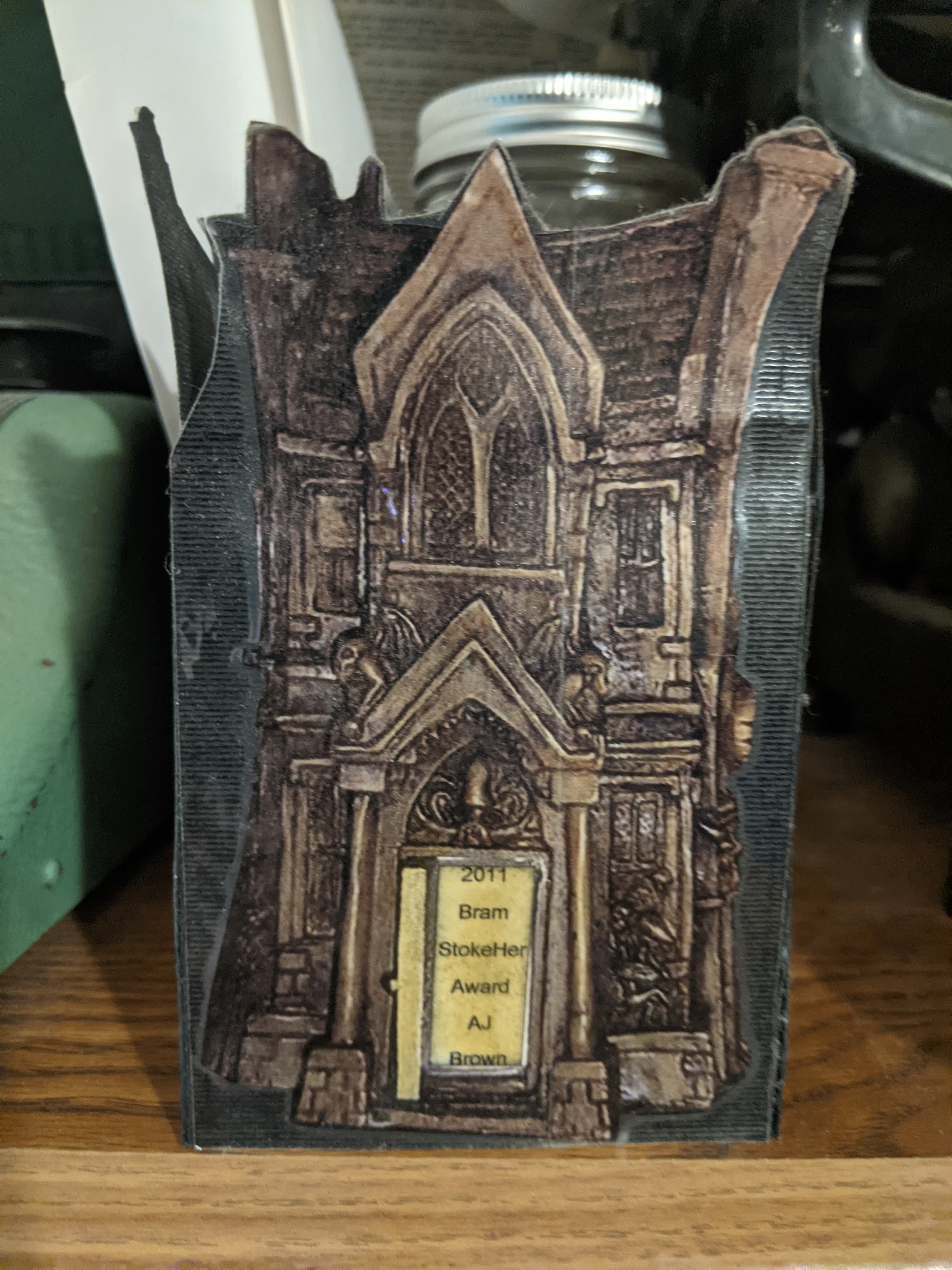
I saved the document, then closed it. I spun in the chair and put my feet back on the bed, crossing them at the ankles. I stared at a tie dyed sheet hanging on the wall. It’s something Cate made. I turned and looked at the wall where my desk is. It is lined with pages from a book—Cate wallpapered the wall with a copy of King’s The Stand. On my desk is a replica of the Stoker Award that Cate made me one year when I thought one of my stories was a shoe-in for a nomination and I was sad that it hadn’t received one. We did a Not at the Stoker’s Award show the same night as the Stoker’s event. She called it the Bram Stokeher award. The shirt I currently wear is one she made for my last birthday. On it are the words Who Knew 50 Could Look This Good! On the wall next to the television that sits on our dresser is a painting she did of a door in a garden.
All around me are the things that make my wife happy. When she is creating anything she is the happiest person alive. Her mind is thinking, her hands are working, her eyes have that determined look in them. That’s her happy place.
How can I not smile at such happiness and joy.
Until we meet again, my friends, be kind to one another.
(This is a rather long post, one where I talk about some of my writing and how I feel about some of those things. However, this isn’t just about writing. It’s about everything you do in life that brings you joy, which leads to happiness.)
I wrote a book a couple of years ago titled, Simply Put. It’s my thoughts on writing, on the craft, on telling stories, and on the things they don’t tell you coming into this business. They are, simply put, my opinions. It is not a how to book. Sure, there are some tips about writing, things I’ve learned along the way, but it’s not a book that teaches writing stories. I’m not a professor at a college who teaches writing and all its little nuances, so I don’t really feel I am qualified to say, ‘hey, do it this way or it’s wrong.’ Besides, I don’t believe in ‘do it this way or it’s wrong.’
Simply Put was set to come out mid-2020, but when the world went into shutdown mode, I decided to push it, and three other books back to 2021. As I sit here today typing this, I’m not so certain Simply Put is ready to be released. Don’t get me wrong. It’s been edited sixteen times. It’s gone through massive overhauls and rewrites. I’ve even taken a lot of snark out because I don’t think the sarcasm and snark are warranted in many places or will serve a purpose.
Though a year ago I believed Simply Put was ready, now … now I don’t know if it will ever be ready. I’m not sure how I am going to explain this but let me try.
When I decided to get published—or attempted to—I thought I was a good writer. I was wrong. I had several people tell me I was. They were wrong. Those same people said, ‘you should try to get published.’ They meant well and they stroked my ego by suggesting that. Before I continue, I want you to understand something about writing: don’t listen to people you trust when it comes to publishing. Most of those people say you are a good writer because they don’t want to hurt your feelings. They are lying to you, just as they lied to me. They suggest things like ‘you should get published’ knowing fully you probably won’t pursue that avenue. Unless, of course, you do, and by then it’s too late for them to say, ‘oh, by the way, you really suck.’
Though I was wrong about being a good writer, I wasn’t wrong about being a good storyteller. That I have always been good at. When I really want to tell a story, I can do so with flare and humor and I don’t need the written word to do it. I could have been a comedian and told funny stories to crowds of eight or fewer at open mic night at whatever local bar was open at the time. I could have entertained with the oral word (get your minds out of the gutter …).
I may not have been an even halfway decent writer when I started out—I don’t think anyone is—but one element about it was also what pushed me to try and get published. I enjoyed it. The act of writing was fun and exciting. I could visualize things on the silver screen in my head as I typed or handwrote the words. I could watch events unfold for the first time and have the excitement of it all play out before me. Reaching the end of the story and signing my initials and dating the story always brought me great satisfaction. The accomplishment made me happy, but the process of writing brought me joy.
Publishing was the logical next step, even if others hadn’t suggested it. Again, I believed I was good enough to get published. For the record, you should never be ‘good enough.’ Never. Ever. You should always be good, great, awesome, amazing, brilliant, but not ‘enough.’ Enough is like being second place in a two person contest. I know that sounds harsh, but ‘enough’ is not really good. It’s barely getting by, it’s meeting the minimum to not fail. So, first lesson to this post: Never be just ‘enough.’ Never be average when you can be amazing. Oh, and don’t ask ‘what’s wrong with average?’ or say ‘this is who I am.’ Those are excuses to not try.
So, I was an average writer wanting to be an above average author who really didn’t know what I was doing and who didn’t take the time to or put in the effort to become a better writer. I was just good enough.
For several years I couldn’t get published. I was rejected time and time again until a now defunct webzine published one of my stories. It was called, Diane’s A Whore and Simeon’s Payback. It was truly atrocious. The title alone makes me cringe now. Ah, but getting that story published made me happy, got me excited. It was like a drug and I wanted more of that euphoric high.
I wrote more bad stories and got published by more bad webzines looking for content they didn’t have to pay much for. Each time I received an acceptance it fed my addiction to get published again and again and again. Hearing someone wanted to publish one of my stories, then seeing it on the computer screen on a webzine intensified that euphoria.
I continued to write, but this time, I didn’t just write a handful of stories a year. For those who didn’t know me in the early 2000s you might find this hard to believe but From 2006-2009 I wrote an average of 126 short stories a year. That’s not including poems, haiku, songs, limericks, novels, blog posts and all the things I didn’t finish. That’s just short stories. Of those 504 stories, maybe a hundred were good. Maybe half that number were good enough. The rest? Slop.
Though probably 350 or so of those stories weren’t that great, the process of writing and writing so much in such a short period of time was immensely satisfying. I found great joy in the process of creating characters and putting them in crappy situations to see how they managed to survive if they survived.
I want you to remember one word in that last paragraph for just a little later. JOY. Forget everything else. Okay, well, don’t forget everything else. Just remember JOY.
In 2010, I changed my entire concept—the very idea—of how I was writing. I wrote less stories, but they were longer and fleshed out and the characters were believable. My enJOYment of writing grew, even as I wrote fewer pieces.
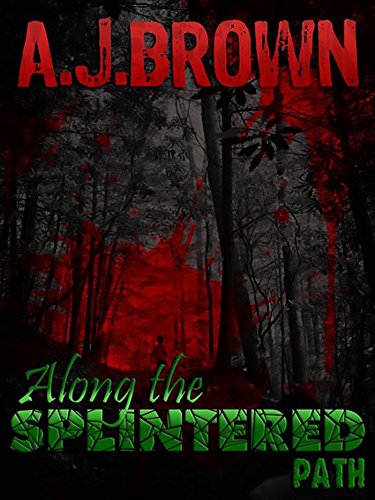
In January of 2012, my first book, Along the Splintered Path, was published by Dark Continents Publishing. I was excited. I was ecstatic. A publisher wanted to put out a book written by me. Sign me up, buttercup.
In November and December of 2011 and on into early 2012, I had a serious bout of pneumonia. It was bad. Really, really bad. Though I was so sick I would cough until I threw up, and I couldn’t lay down in my bed for nearly two months, I worked on the edits to ATSP and got them back to my editor as quickly as I could.
The book came out, the reviews were good, the sales were decent, and I was happy. I did interviews to promote the book and things were looking up. Then someone asked me if I planned to put out anything else. More importantly, they said, ‘In order to stay relevant in this business, you need to constantly have new books for the readers to get their hands on.’
What? Relevant? You mean one very good book isn’t going to catapult me to fame and fortune?
In October of 2012, I released Southern Bones, a collection of 11 short stories. It was the first time I put out a book myself. The process of putting the stories together, editing and getting cover art and learning to format and upload the ebook, then the print version was exhilarating. I was excited and happy with what I had done. With my second book out there, I thought, ‘hey, I’ll get more readers and things will be even better than they are right now.’
That didn’t happen. I did a handful of interviews, but the book didn’t do that well in either sells or reviews. My happiness waned. ‘It’s a good book,’ I lamented. ‘Why aren’t people buying it?’
‘You need a novel,’ someone answered.
‘Yeah, that’s the ticket,’ I thought. I already had several novels written, but one in particular, stood out. Cory’s Way came out in December of 2014, just in time for Christmas. It did well. It still does well. It is our best-selling book to date.
I have put out quite a few books since then, some of which you may have read. Each time a book went out, I was happy. Happy. Happy.
Happy is a fleeting feeling. You accomplish something and you become happy for a minute, then you have to accomplish something else to keep that happiness. You say to yourself, ‘If I only had more money or a better job or a spouse, I will be happy.’ Then you get a better job and it pays you more money and you meet the man or woman of your dreams while working there and get married. You’re happy for a while. Then it wanes. You don’t like the job as much as you used to, you want a raise, and maybe the things you overlooked while dating the man or woman of your dreams you have a hard time overlooking now. Happiness is such a fleeting feeling.
Do you remember that word I mentioned a few paragraphs up? If not, scroll up and you will find it. I will wait.
…
…
…
Do you have the word? Okay. Say it with me: JOY.
Joy and being Happy are similar but are two different things.
Happy is feeling or showing pleasure, contentment, according to the Oxford Languages dictionary. A lot of times happy comes after getting something you want or accomplishing something or even marrying someone. It is also fleeting.
Joy is slightly different: A feeling of pleasure and happiness. What brings you joy? Your job? What is it about your job that brings you that joy? Money? What is it about money that brings you that joy? Your spouse? What is it about your spouse that brings you joy?
Do you follow me so far? Okay, let’s take this a step further.
Enjoyment is the state or process in taking pleasure in something. Right smack dab in the middle of the word enjoyment is the word JOY. Joy is active during the process of doing something. It is called enjoyment for a reason. What do you enjoy doing? What is it that brings you joy?
For me, for the longest time, it was writing and telling stories. The act of telling a story still excites me. However … let’s go back to another thing I said earlier. ‘In order to stay relevant in this business, you need to constantly have new books for the readers to get their hands on.’
Talk about putting pressure on yourself. I took that to heart when it was told to me. I would get antsy if I went too long without a new release. I got frustrated when the books weren’t selling, or the reviews weren’t coming. I kept asking ‘why?’ and not having any logical answers. I promoted the works and even started promoting months in advance. I checked my Amazon numbers obsessively. I checked to see if there were new reviews daily. I questioned myself on whether the books I released were any good. I revamped my social media pages and turned my blog into a full-blown website, all in hopes of driving people to my various pages and upping the sells of books.
The happiness of a new release was no longer there. It was replaced with ‘I hope this one does better.’ The addictive euphoria was gone. Still, one thing hadn’t really changed: the joy of the process of writing a new story and creating a new book. It waned some and there was a time or six I thought it had died. It didn’t, but it was on life support.
Happiness is fleeting, but joy is always there, even if we don’t realize it, even if we push it out the way because our pursuits and our goals changed.
I put pressure on myself to create stories people would want to read, to put out books that would be good and do well. I put pressure on myself to get readers and reviews and create posts about books on social media and create marketing materials. A lot of writers do. A lot of writers buy into being relevant. A lot of writers buy into the idea of publishing, so much so, they lose the enjoyment of why they write in the first place.
Why? Why do we do this? My only answers are money, success and … validation. Yes, validation. Writers need publishers and readers and reviews to validate that they are worth a damn at putting words together. It’s not enough to know we are good at this. We need to be told. And that’s the most damning thing of it all. Validation outside of our own minds is the driving force behind so many writers.
I love writing. I love telling stories. I love the process of putting word after word after word to create sentences that form paragraphs that lead to worlds being opened in my mind and characters being created. I love the act of writing, the process of writing. It is what I enjoy doing. That never fails for me.
I do not love publishing. I do not love marketing. I do not enjoy the obsession of reviews and hoping readers will find me.
Creating … creating brings me massive enjoyment. No, it’s not a euphoric high like publishing used to be for me. But it brings me such satisfaction that I want the world to read my stories.
Recently on Facebook I posted part of a review for my dark collection of stories, Voices. The review was from Scream Magazine and it was extremely good—one of the best reviews I have ever received. Yet sells and more than a handful of reviews didn’t happen for Voices. I was frustrated that one of the best collections I’ve put together had done so poorly. It took the words of a long-time friend and someone I admire to set my mind where it needed to be, to make me think about what I was doing and why I was doing it. Here is what my friend, Frank, said:
‘I say that is an excellent review and you shouldn’t overthink it. Unless, of course, what you lust after most in your authorial life is to write for “everyone.”’ And then, ‘Provided you’re content with the quality of what you’ve done … The review you posted flat out confirms you were right about the collection, no ifs ands or buts. The rest is just a crapshoot outside of your control.’
The idea of publishing is grand, and everyone now has the capability of doing it themselves if they choose not to go through a publisher. The idea of publishing so often leads to the need of validation from publishers, readers and other authors who can give us blurbs and help us push our books. The idea of publishing has also ruined the dreams of many writers. Outside of the actual writing and publishing, everything is a crapshoot outside of your control. As writers we overthink things and so many of us small press writers are left scratching our heads and asking ‘why?’
After writing the last 2600 words I no longer believe Simply Put is ready to be released. There needs to be an understanding that you should never let publishing a book or lack of sells and reviews hinder the enjoyment of writing and telling the story. But this isn’t just about writing. It’s about life. Don’t let anything hinder what you enjoy doing. Joy is an active thing. You can actively be joyful and when you are, happiness follows and tends to last longer. And isn’t that what we all want in life? Joy and happiness?
I am writing some of the best stories I have ever written. That joy of writing had been on life support, but now it’s off the respirator and getting its strength back. The joy of creating a book is back and there are several in the works with titles such as The Color of Sorrow and Grim as well as a possible three book set down the road. I still enjoy the process—I’m probably more excited than I have been in a while to create books, then release them. I think you’re going to like what’s coming, starting with Five Deaths on January 12th. I also think everything outside of writing the story is a crapshoot.
If you’re doing something you used to love and you now longer love it, then you, like me, have probably altered your plans and goals and have forgotten what brings you joy. Be joyful in what you do. It leads to the happiness we all desire, but it also shows in your work. Readers and fans of any type of art can tell when something is forced and when the love of it is gone.
This has been one of the longest post I’ve written, and if you are still here, thank you for indulging me.
Until we meet again my friends, be joyful, kind and happy.
I live in South Carolina. I have worked in downtown Columbia since May of 1990. It’s nuts to see that thirty years have passed since May 29th of that year. A lot has changed. I’ve gotten older, gotten married, raised two kids, released fourteen books and had over 200 stories published in various online and print publications. I’ve blown out my knee, had pneumonia, had a heart scare and a few other things that could be considered life altering events. I’ve lost many friends and some relatives to the eternal sleep. I’ve had some good times and I’ve had some bad times. That is the way of life.
On that Tuesday in 1990, my boss at the time, a young woman named Sheri who was not much older than my twenty years, told me, and I quote: “Go across the street and tell them you want a short, sweet blonde.”
I smiled because, in truth, I really did want a short, sweet blonde. Or, really, any blonde. But that is besides the point.
I left the office, went across the street and stepped into the little mom and pop cafe known as The Lunch Box (established in 1980). When I walked in, I saw two small tables with two chairs each, one directly to the left of the door and one directly in front of me along the wall. A glass refrigerator stood behind the table in front of me. Inside were various salads, banana pudding, and boiled eggs. To the left of the refrigerator was the entrance to the cooking area. That opening wasn’t but maybe thirty inches wide. A counter spanned from there and formed an L that ran the entire left side of the area just beyond the table directly to my left.
Behind the counter was a short, round woman. Her name was Vickie. She was pleasant and funny, but also a no-nonsense woman. Making sandwiches was another woman, Eleanor. It turned out, they were sisters and they were the owners of The Lunch Box. Next to her was a young man named, Todd.
I walked up to the counter. There was a young woman in front of me who had just ordered her food. Two people walked in after me and stood in line behind me.
“Can I help you?” Vicki asked.
“I hope so,” I said. “I need a short, sweet blonde.”
The girl who ordered before me smiled, almost embarrassingly, for me. Vickie also smiled in amusement. I probably should have phrased my request differently.
“A small coffee, with cream and sugar,” Vickie said and rung up my order. She gave me the coffee shortly after, and she was still smiling when she did so.
That was the first time I had stepped foot in The Lunch Box. Over the next twenty-nine years of my life, I would go there quite often for my breakfasts and lunches. I loved their chili cheeseburgers before switching to their hotdogs with chili and cheese and mustard, no onions, please.
I got to know Eleanor and one of her sons. I became friends with Vickie and was even treated to her one of a kind creation, The Vickie Special.
For almost forty years, The Lunch Box had been a mainstay on Lady Street in downtown Columbia. During that time period, Vickie passed away from cancer but Eleanor remained, running the place with a welcoming smile and a conversation.
In early April of this year, as places all across the world were closing their doors temporarily due to the coronavirus, The Lunch Box did the same. I must admit, I was concerned that the doors would remained closed.
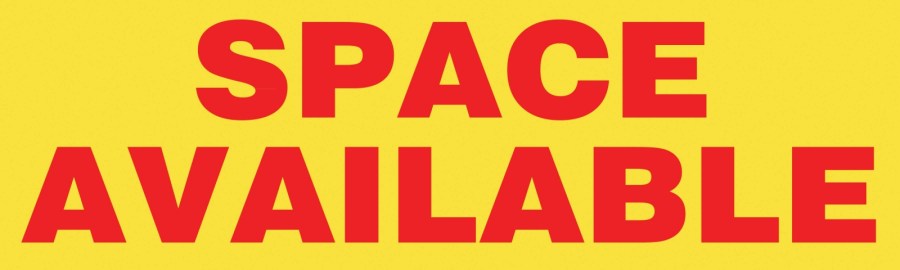
Today, I walked to the post office on Marion Street. On the way back, I walked down Lady Street and went right by The Lunch Box. The front door had been busted out during the race riots in May. There was a piece of board where the glass had been. On the window to the left was a sign that simply said, Space Available.
I stood there for about thirty seconds looking at the sign. I shook my head, saddened by the absolute realization that The Lunch Box would not be coming back. I last ate a couple of hotdogs from there about a week before they closed the doors. This was a sad moment for me, and I’m sure many people in the area will be as saddened.
I think back to Vickie’s amused smile when I told her I was looking for a short, sweet blonde and I can’t help but feel a piece of my life—one thirty years in size—is now gone forever. I think about Eleanor and her asking how I was doing, then how my marriage was going, then how my kids were doing, then how my writing is going. I’m going to miss that place, it’s friendly atmosphere and people.
To Eleanor, to Vickie, to Todd, to all of those who have worked there and brought us good food that wasn’t expensive, as well as smiles and real conversations, thank you for all the great years you gave us. God bless you all. I’m sure I can speak for all of downtown Columbia, you will be missed greatly.
Until we meet again my friends, be kind to one another.
Life is about change, Everything in life changes from birth to death. Change is important … Hmmm … I have a feeling I might use those three sentences again real soon.
I start this off with that first sentence for a reason. Most of you know me as A.J. Brown. That is not a pen name. Those are my initials and that is my real last name. However, when I started writing, I didn’t write under my initials. I wrote under the name given to me at birth, shortened to what most folks call me: Jeff.
My first thirty-nine publications all came under the name Jeff Brown. It’s not the coolest name and there is even a punk song with my name as the title by Mi6. It’s not very flattering. And, no, the song is not about me.
Back in 2004, I submitted a story titled, The Woodshed, to a publication called The Butchershop Quartet. It was an anthology of four stories put out by Boyd Harris and Cutting Block Press. I wanted so bad to get into this publication.
I didn’t make it in. I honestly don’t believe I came close to making the cut. However, when Harris sent the rejection notice, he didn’t send the dreaded form reject. He wrote me a little letter. I can’t remember it word for word, but here is the gist of it:
“I think you have good ideas, but you don’t have the skills to pull them off.”
No, that is not an insult. That is just honesty. And it wasn’t worded quite like that. Harris was nicer in his assessment. Looking back now, he was right. But he didn’t just make a critical point about my writing. He invited me to an online writers’ group called Zoetrope Virtual Studios. It was my first foray into social media, but it was in a web forum style. The name of the group was +The Horror Library+.
I’m not going to lie and say I wasn’t sure about it. I wanted to become a better writer, but I didn’t know Harris. For all I knew he could have been some psychopathic serial killer. Thankfully, he wasn’t.
I joined Zoetrope under the name of A. Jefferson Brown. Sounds kind of distinguished, but that wasn’t what I was going for. To this day, I still don’t know why I chose that username, but it wasn’t to sound distinguished. Once I joined THL, I sat in the shadows and read a lot of posts from writers who were way better than me. I was thoroughly intimidated. I was out of my league.
It was eye opening.
These writers did something I thought was crazy. They posted rough drafts of their stories and had other writers and editors tear them apart. What type of sorcery is this? After a while I was encouraged by a couple of writers to post something I wrote and let them read it. It was then that I realized I wasn’t that good of a writer. I didn’t have the confidence in my words to submit one of my stories for others to criticize. I had thin skin and I only wanted people to praise my stories.
I had been pretending up to that point. I wasn’t a writer. I wanted to be, but I couldn’t say I was a writer. Not after realizing how little confidence I had in my work. But I made it a point to get better. In making that decision, I chose a story I had written called Black Cancer. They tore that story up so bad it should have been considered a crime scene.
Over the next couple of years, I submitted more stories, participated in contests, asked these better writers questions about how to do things, and I worked, worked, worked on the craft of writing. From 2005-2008, I wrote nearly 500 short stories and two novels. Over half of those stories were experiments in writing.
During that time, I became friends with some great people. Boyd Harris was just one of them. There was Fran Friel, who is like a big sister to me. Chris Perridas, who my wife and I hung out with at Waverly Hills Sanitorium in Kentucky. Petra Miller, John Mantooth, Michael Dixon, Erik Smetena, Dameion Becknell, who might be might twin in theological beliefs, Steve Sommerville, Michelle Garren Flye, Jamie Sunshine, C.J. Hurt, John Lovero, Frank Hutton, all of whom pointed me in one direction or other (even if they don’t know it).
Then there is Bailey Hunter. Bailey allowed me to be myself within the group. She was funny and had no problems letting me asks her questions. She’s smart and the owner of Dark Recesses Press, who I always wanted to put a book out with. Maybe one day I will. She was also the web admin for +The Horror Library.Net+. She was a member of the Terrible Twelve. She encouraged me more than everyone except for Fran.
Bailey is also responsible for A.J. Brown.
In 2006, two of my stories were accepted for publication with THL.Net (A Bone White Hand in March, and Drainers in June). In June, I became a contributor to THL.Net. That meant I got my name on the site. Bailey input the information and after my story had been workshopped with the Terrible Twelve members, it went up. That story was Bone Yard.
When Bone Yard went live, I went to the website to check it out. In the place where my name was supposed to be was A.J. Brown. I smiled. I have always wanted to go by my initials. One of my favorite football players when I was a kid was A.J. Duhe, a middle linebacker for the Miami Dolphins. I still don’t know why she put my initials up, but I contacted her and asked her about it. She apologized and said she would change it. I think I yelled, NO! out loud. I didn’t yell it in my message to her. I just said, no, leave it.
From that day on, I have written under the name of A.J. Brown.
I’ve lost touch with a lot of the writers I learned from in the early 2000’s, but Bailey and I still keep in contact, thanks to social media. As of this writing, she is getting married soon. I wish her a ton of happiness in that marriage.
Though I haven’t heard from Boyd in a long time, I can point to me submitting to his anthology and his rejection letter as the cornerstone for me being the writer you guys love. Or, at least, I hope you love. I can point to Bone Yard and the name attributed to the story as the beginning of A.J. Brown. It was the thing that gave me confidence in my words. After that, I’ve had no problems showing people my stories.
Boyd Harris, wherever you are, thank you. You put me on the path I follow to this day. To Bailey Hunter, thank you for mistakenly putting A.J. Brown on that first story. It stuck and that’s a good thing.
Until we meet again my friends, be kind to one another.




















 Type AJ Negative