11 of 52

A Time To Remember

We sat on the ground near the Thomas family grave site. The grass was still short for that time of year when winter was waving goodbye and spring was taking her own sweet time arriving. It was mid-afternoon. The sun had begun its slow decent and would be gone in a couple of hours. A soft breeze blew through the cemetery, ruffling my hair and sending a chill into my arms. I pulled my legs close to my chest and hugged them tight. My head hurt. It always hurts.

Jerry sat to my left. His appearance was a complete contrast to mine. I wore jeans and sneakers and a light coat with plastic sunglasses sitting on the bridge of my nose. He wore a black suit with a white button-down shirt beneath the blazer. His black shoes were as shiny as the day they came off the shelf at the Pic and Pay in the next town over. My hair was a tangled mess, and I hadn’t washed it in a few days. His was neatly combed with a part on the right side. I always wanted a part, but my hair didn’t seem to think it was a good idea. 

“The sun’s going down,” he said in his always soft voice.  

“It is,” was all I could think to say. We both knew what it meant, but I wasn’t ready to do anything more than acknowledge it.

“Remember when we were little, your dad used to take us fishing?”

“Yes,” I said. “How could I forget?” 

Truthfully, I had forgotten. But I remembered Dad, his Popeye arms, dark hair, and stubbled face always in need of a shave. Even after Mom barked at him once and said he had more whiskers than a dog, he still only shaved occasionally. 

“Do you remember riding in his boat with those horrible orange life jackets strapped on?”

I smiled. “Yeah. Those were the worst.”

“And the bomb islands. I loved going there. Remember when we found the blown-out shell casing of one bomb? Your dad yelled at you when you picked it up. It didn’t matter that there was a hole in it you could see right through. He yelled all the same.” Jerry raised a fist in the air like an angry old man. “Adam, don’t move!”

“He was afraid I would drop it and it would go off.”

“He ran at us like his hair was on fire that day.”

I laughed. Yeah, I remembered that, but only vaguely. A surge of pain ripped through the right side of my head. I took a deep breath and let it out. I blinked several times, hoping to push the pain away with no luck.

The sun dipped lower and lower. The sky wasn’t quite bright, but more of a fading yellow and orange color, as if someone took a paintbrush and ran it along the skyline. 

“Dad never took us back there,” I said.

“I haven’t been back since,” Jerry said, as if I hadn’t spoken at all.

I looked at him. He wasn’t facing me. His hands were behind him in the grass, his legs stretched out in front of him. His eyes faced the sun and there was so much sadness in them. 

Neither of us spoke for a while after that. We stared at the dying sun. The sky was less purple and orange and more gray. On the horizon where Earth met the sky was a sliver of intense orange that should have hurt my eyes but didn’t. Still, the pain in my head increased. It felt like my skull was splitting into two.

Jerry licked his lips. “Your dad …” He shook his head. “Man, he liked to drink.”

“Yeah, he did. All the time.”

Jerry let out a deep breath. “I wish he hadn’t been drinking that day.”

I nodded. “I wish he never drank at all.”

“If he hadn’t been drinking …” he shrugged. “Maybe things would be different.”

“Maybe.”

“It started raining on the way back. Do you remember that, Adam?”

“I do,” I said, and that was the truth. I did remember. A storm came out of nowhere. The sky had darkened with black clouds that blocked out the sun. Lightning streaked across the sky and brought loud booms of thunder with it. And we were on the water in a metal johnboat.  The wind had picked up and the waves had become choppy. The boat skipped along the water like a flat rock tossed from a little kid’s hand. I remembered that well.

“He was going too fast as he rounded Charlie’s Cove. Way too fast.”

The pain in my head made things fuzzy, but I could recall the fear I felt as I sat in the bottom of the boat with my hands clutched to its sides. 

“He hit that wave … he hit that wave and we went sideways.”

I remembered. He didn’t need to say anymore. The last thing I recalled while being alive was being flung from the boat and landing, headfirst in the water. Then I ended up here.

I looked at Jerry. He looked older than I remembered. We had barely reached our teens when the accident happened. I looked back at me, at the old jeans I wore, the coat and sneakers. The sunglasses on my head had been there when I died. He was a young man, still grieving a friend who had died years prior. I was the friend.

The sun had finally set. In a little while the moon would come up with its calming white, glowing face. Maybe it would bring some stars with it. Maybe …

Jerry stood and wiped his bottom with his hands. He took a deep breath, then a few steps. He stopped at a headstone that was new compared to so many others in the cemetery. He patted the stone. “I miss you, Adam.”

He wiped at his eyes, shoved his hands into his pockets and walked off, his head down. All I could do was watch him go. Eventually, I stood and went to the headstone. I read my name, my age, the Gone Too Soon, inscription. And my headache was gone.

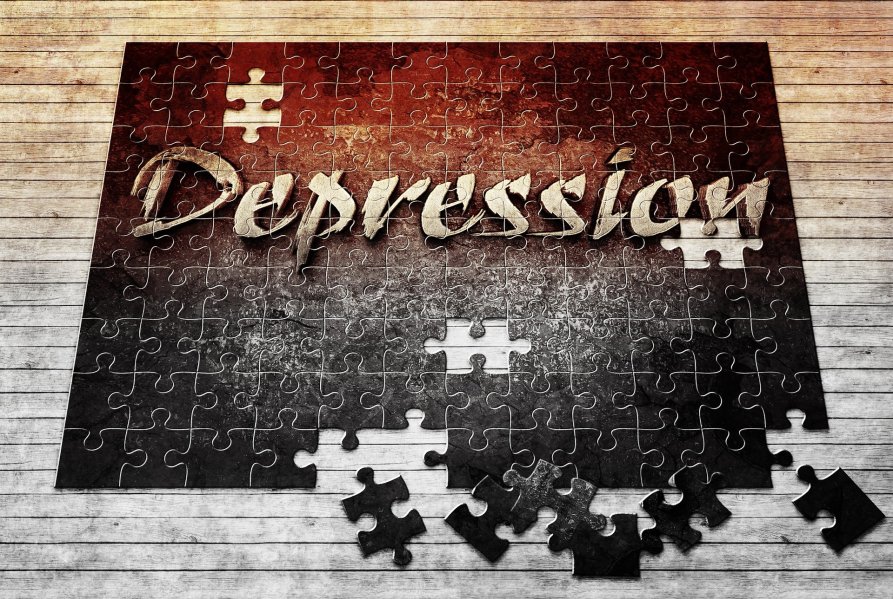
They Seemed Okay

In April of 2018, I was sitting at a table on Main Street here in Columbia. I was eating a meal with my wife and listening to our favorite local band. The text tone on my phone went off. I didn’t check it. I have this pet peeve where I hate having dinner with someone and that person is constantly answering their texts or phone calls. So, the phone sat on the table, face down at I ate and Prettier Than Matt performed.

The text ring chimed again. And again. And again.

Finally, Cate said to me, “You might want to check that. It could be important.”

I flipped the phone over, typed in my password and checked the text. Cate had been right. It was important. 

I sat staring at my phone and shaking my head. I think I put one hand to my forehead and rubbed. 

“Everything okay?” Cate asked.

I shook my head. “No. (Name that shall not be mentioned) committed suicide last night.”

I wiped my mouth and responded to the multiple texts that I had received about the death of a friend. Just the night before I had talked to him—less than 24 hours earlier and he ‘seemed okay.’ 

Fast forward almost a year later. It’s now April 1st, 2019. I’m scrolling through my Facebook feed when I see an announcement that stopped my scrolling. A friend of mine’s son had posted on his mother’s page that she had died in her sleep. I thought it was a bad April Fool’s Day joke and I sent my friend a PM. 

It wasn’t a joke. She didn’t respond and by the time her mom responded a month later, her death had been confirmed by multiple people. It had been speculated she didn’t just go to sleep and not wake up. 

My friend had depression issues. She and I had talked about it on more than a handful of occasions. A few days before we had talked. Plans were being made for projects we were working on, for things she wanted to work on. She ‘seemed okay.’

In the last couple of years, four of my friends committed suicide. 

I’m going to pause here and let that sink in.

Fast forward to just a few days before Christmas of one of the toughest years ever, 2020. A friend of mine posted about his daughter’s sudden passing. I saw it, but said nothing right away. I thought my friend from my teen years probably needed his space, needed to grieve. 

The Monday after Christmas, I sent him a message. I’m going to be honest here: I was worried about him and I didn’t expect him to answer so quickly. Within two minutes, he responded and it shocked me to the point of nausea and speechlessness. His sweet, teenaged daughter had committed suicide. 

It brought tears to my eyes. His daughter was the same age as my son. My stomach knotted and I could only shake my head in shock and disbelief.

I’m still shocked.

I don’t know the situation behind my friend’s daughter’s suicide, but the two people I mentioned and the two I did not all had depression and anxiety issues. One of them suffered from PTSD and injuries he received while serving in the military overseas. My four friends all dealt with some form of mental illness, whether it was depression, anxiety or PTSD. Two of them didn’t think they measured up to the world’s standards. One of them was lonely and raising kids by herself. Her depression was debilitating, as was my military friend’s.

Listen to me for a moment. All of you who read this, all of you who follow this page, please listen to me. Mental illness is no joke. Depression is no joke. Anxiety is no joke. It’s as serious as Cancer and heart disease and any other sickness that can be deadly. 

Sadly, there is a stigma surrounding these things. You hear things like, that person is just seeking attention, or it’s not that bad, just a little sadness, or it’s all in their head, or, worse still, it’s just an excuse for whatever that person doesn’t want to do or deal with.

So often people who suffer from any form of mental or emotional illness are told to get over it, to rub some dirt on it, or any other way of saying this is a nonissue and they’re making more out of it than it is. I don’t cuss much on my website, but I’m just going to say this: that’s bullshit. People who deal with these issues can’t just get over it, can’t just move on or rub some dirt on it or man up. It’s a big issue for them. Sometimes it’s so difficult they can’t bring themselves to get out of bed or to go out around people. Sometimes the cloud of gray they are surrounded in is so thick and all encompassing that they see only one way out. They don’t see any sunshine on the other side of those clouds. For some—for many—there is only damp, cold and rainy days.

I’m not going to sit here and say I understand suicide. I don’t. I’ve never gotten why people choose to end their lives instead of seeking help. [[Let me clarify one thing before I continue: I think I do understand when someone is suffering from a terminal illness or who is losing their mental facilities thanks to illnesses like Dementia and Alzheimer’s.]] Here’s the thing: where are you going to get help from these days? It’s such a stigma that talking about it to others sometimes makes things worse in the fact that those people sometimes look at you differently once you air your depression or anxieties out. Sometimes reaching out can make things worse if you reach out to the wrong person. How wrong is that?

“They have issues.”

Don’t we all? Don’t we all have something that touches us in a way that hurts us on a whole different level? Don’t we all have our own demons we have to deal with? Just because someone can get over something doesn’t mean the next person can. Each person is different. 

We can medicate, but that’s not treating the issue, it’s treating the symptom. If you want to get to the cure or even to the ability to maintain this, you have to treat the root. You can snip the leaves all you want, but until the root is treated, the plant will keep growing. That’s not to say some people don’t need medication—they most certainly do, but that’s not always the cure. 

We can seek counsel from a therapist. That’s a start. Even that isn’t always going to help. 

What I think—and please understand these are my thoughts and how I feel about this and nothing more—is until we start taking the different forms of mental illness serious, it’s going to get worse. Until we start educating ourselves, our children and our leaders, about mental illnesses, it’s going to continue to get worse. We need to look at mental illnesses, not as a stigma or as something to be ashamed of, but as something that can be talked about, that can be openly discussed without being ridiculed or treated differently. Until we accept that many people can’t just ‘deal with things’ we’re never going to get hold of this.

And, again, listen. This is important. I mentioned ‘get over it’ earlier. Don’t say that. Ever. Just don’t do it.

She’s probably going to kill me for this, but my daughter has anxiety problems. Every feeling she has is amplified. She feels things on a much deeper level than I do. When she has a panic attack it’s a big deal. For the longest time, I didn’t understand it. I didn’t understand she couldn’t control them or when they happened or how long they lasted. For me it was as simple as ‘you need to learn how to deal with this.’ Essentially, that is just a lousy way to say an even lousier ‘get over it.’

I want to say this and I want to be clear about this: I. Was. Wrong. It should have never been ‘you need to learn how to deal with this.’ It should have been, ‘talk to me, tell me what’s going on, help me understand so I can help you.’ Don’t get me wrong, my default setting wasn’t get over it. It was to try and help, but when I couldn’t help, get over it became that default setting. That was shitty of me. I hate that I couldn’t help, but I hate even more my eventual reaction. It was wrong and it could have led to far worse things. I know this now and I’m thankful my daughter has learned the warning signs for when a panic attack is coming and that she can put herself in a place, mentally, to handle it—not to deal with it, but handle it. 

A panic attack can be as debilitating as any longterm pain. It’s a heightened form of anxiety that grabs hold of you like an angry dog to a bone, and it doesn’t let go so easily. Depression is the same way.

I wasn’t raised to understand depression, anxiety, panic attacks or any other form of mental illness. If I was sad then that’s all it was. If I feared something, then it was me being irrational. If I was unhappy, I had to ‘get over it.’ It took me a long time to understand that this is something that can crush a person and lead them to make decisions that I still don’t understand. 

Life is precious and the minutes are so few. I always thought from the time you take your first breath you begin dying, so why speed the process up? I don’t understand suicide. I don’t understand the mindset you have to be in to make that decisions. I’ve written about suicide in some of my fiction and I’ve tried to understand the pain and sadness of someone on the verge of ending his or her life. It’s a dark space to go as a writer. I imagine it is so much darker as someone struggling with depression and any other mental illness.

So, where does all this rambling leave us? It leaves us with me saying—no, begging—please, world, stop frowning on those who struggle with the various forms of depression and mental illnesses. Please, take their hand and help them. Please, don’t just listen to them talk, but actually hear them. You don’t always have to have the solution, but have the empathy to be a friend, and for Heaven’s sake, love them. Love them in a way that leaves them feeling loved, in a way they believe they are loved. Don’t be critical and rude and don’t tell them to ‘get over it.’ 

We all need to know someone cares—All. Of. Us.—so be that person who cares. Reach out, even if your friend or family member ‘seems okay.’ My two friends at the beginning of this ‘seemed okay’ when I talked to them last. They weren’t.

Until we meet again my friends, be kind to one another.

A.J.

I Asked For Your Company (Free Fiction)

I Asked For Your Company

A.J. Brown


I asked for your company.

It was dark beyond the window to my right. I hate the dark, the feeling that there is always something lurking in the blackness of night. The lights of the train station were dim, at best, but at times, nonexistent. The rain outside beat against the roof of the car and tap-tapped against the windows like tiny pebbles. Taped to the walls near the door were pictures, drawings, I guess done by little children with big imaginations. One was of a series of hearts and a music box that could have been playing a love song.

My skin itched from fear. My nerves burned as if on fire. 

From my seat near the door of the train car, I saw you. Dark hair, cut short, a mole on your left earlobe. Sad eyes surrounded by bruised hollows, small nose, thin lips, a scar on your right cheek, put there by someone who didn’t think you were special or of any consequence. You were soaked from head to toe, as if you had just come out of the rain, much like I had. You looked lonely and downtrodden, as if you were running away from something … or someone. There was something familiar about you, something that felt like kinship, but I couldn’t place it.

You stared at me without seeing me, your eyes hauntingly distant. At that moment I thought I could love you forever if you would just speak to me, just say ‘Hello.’

“Stay here with me,” I whispered. You opened your mouth and spoke words I could not here over the steady drumming of rain all around us. You could have said anything. I asked you to repeat it, but I think you said something else instead. I know not what that was.

I asked for your company and you made no move to give it to me.

I reached for you when the train began to move, needing the touch of someone to allay my fears. My heart lifted into my throat. My stomach flipped several times. You put a hand out, fingers up, as if to stop me. You didn’t quite touch my fingers, but it was clear you didn’t want anyone touching you, least of all, me. I dropped my hand back into my lap and clutched at the small bag there, the one with the bare necessities to get me through with life. You lowered your hand as well, but I couldn’t see if there was anything in your lap.

You stared at me, unflinching as the world passed by us in the dim, almost brown color of the car’s ceiling lights. Outside, the rain pelted the glass and the clouds hid the moon and the stars from our view. Water seeped in through the windows and trailed down the walls like tears.

“They say the world is going to flood,” I said, hoping for conversation. I knew the topic was depressing, but ‘How’s the weather?’ sounded lame when I considered it had been raining for nearly two weeks.

You didn’t respond. I think I angered or upset you when I reached for your hand. I didn’t mean to. It’s just … it’s just … I was scared. I just needed comfort. 

Water rose along the rails outside the car. It splashed along the sides and sprayed outward as the car picked up speed. It flowed in through the windows, some of them cracked in places.

I Asked For Your CompanyI asked for your company as the dim lights on the car flickered. I looked up, as did you, to assure myself they were still on. The sound of water filled my ears and I tried to talk to you again, but I couldn’t hear my own voice inside my head, much less when I spoke. You looked much the same, eyes big and fearful, trying to speak but your voice carrying nowhere beyond your throat. 

The train slowed, as if it struck an embankment along a river. Then it stopped. The lights flickered again, then went out entirely. 

I asked for your company as water came in through the cracks in the doorway and the windows all around us, slowly at first, then faster, faster, faster. 

We stood, yes, you and I, and ran for the door. I bumped my hip on the side of one seat and my feet came from beneath me. I tumbled to the floor and slid a foot or two before my shoulder struck the edge of one seat. 

“Don’t leave me,” I yelled as I reached for you, but I couldn’t see you anywhere. 

As water filled the car, I struggled to my feet, slipping once and falling back in headfirst. I swallowed water. I came up, my mouth open and searching for air. 

“Help me! Don’t leave me!”

I got to my feet, maybe with your help, maybe not. I do not know, but when I stood, there you were, soaked from head to toe along with me. You stared, wild-eyed and terrified, but said nothing. 

The water rose above my thighs and I waded toward the door. You did the same but  you were so far away. Somehow we met there all the same, but … but somehow, you had gotten out and stood on the other side. The door was closed, as were the windows, yet we stood on opposite sides of the door.

I placed my hand to the glass. You did the same, this time not pulling away but reaching for me. Our hands seemed a perfect fit, a perfect match.

We both slapped at the door’s window. My fear of drowning kicked in, and from the expression on your face as you beat on the window right along with me, you had the same fear. I didn’t understand this at first. You were outside the car. You could swim to safety or climb on top of the train. Then I realized you weren’t scared for yourself, but for me. 

“Please …”

I asked for your company when I was afraid and you stayed with me as the water rose above my waist. Your eyes grew wide and we must have had the same thought because I swung my fist as hard as I could at the glass door. You did the same. My knuckles split. So did the glass.

The weight of the water pushing on the window collapsed the cracked glass in on me. As I was shoved backward and carried to the back of the car on an icy cold wave, I saw you being pulled away, in the opposite direction. I screamed. I think you did, too.

I sunk beneath the water, the train car no longer a way to safety but soon to be a tomb. The drawing of the heart picture floated by me before it was sucked away, possibly on a current that would lead out to sea.

As the water filled the car well over my head, I lost you forever. I asked for your company and you stayed. 

AJB

__________

This was originally supposed to be a story for Stitched Smile Saturdays. The featured image was the actual prompt. After I completed the story, I realized I was nearly 300 words over the 1000 word limit. Even after culling back as many words as I could, I was still nearly 200 words over the limit. Instead of posting it to the SSS blog, I decided to hold it for later. I consider this later.

(If you enjoyed I Asked For Your Company, please share on your social media pages and help me spread my stories around the world. Thank you!)


18

A young man walks along a path in a small town cemetery. In his right hand is a paper bag, the open end folded shut. He wears a pare of black Converse sneakers with his initials printed on the heel end, and blue jeans, ones with holes that run up and down both legs. His hair is a little long and there is stubble on his face. It’s young stubble, the type that only males in that in-between stage of life of being a kid and becoming an adult can grow. He is seventeen and he has made this same walk every year since he can remember.

He parked his car outside the rusted steel gates of the graveyard, preferring to walk the distance to the marker he intends to visit. It’s that walk that allows him to prepare him for his emotions, the ones surely to come on this day. 

The young man veers off the path and across the lush green lawn. In some places, the grass hasn’t been cut and it grows higher than in others. But where he walks today, the lawn may not be freshly cut, but someone had gone over it in the last week or two. Though the morning was a little warmer than most for this time of year, there is still a little dew left on the grass that hasn’t burned off with the rise of the sun, or in this case, the hiding of the sun behind tinted gray clouds. 

He lifts his arm and looks at the watch on his wrist. 

10:20.

He nods and continues along the headstones of the deceased, paying no attention to the names or the years of life etched in them, or the epitaphs so eloquently written by loved ones who no longer visit those they wish to never forget. There is a lump in his throat and every breath he takes is a little shaky and getting shakier as he goes. 

No, he’s not sick or afraid or running from anything. This young man is going forward, running toward something, facing a truth. 

A bird lands on the ground fifteen feet in front of him, cocks its head to the side and looks at him with its curiously beady black eyes. It flaps its wings once, twice, then flies away. He continues forward, the lump in his throat seemingly getting larger, his breaths harder to take. He looks back at his watch.

10:24.

Then the young man stops in front of a headstone that is nothing special in shape or size or expense, but it is everything special to him, for who it belongs to. He opens the bag and pulls out a Mountain Dew and a Snickers candy bar. He set the bag down and reaches into his back pocket for the folded piece of paper there.

His watch now reads 10:26.

The young man sits down in front of the stone. He reads the name there, reads the date of birth, and more importantly, the date of death: 9-11-2001. The lump in his throat is a heavy rock and the tears he had held back now begin to flow. His breaths are raspy and his hands shake as he unfolds the paper and sets it on the ground in front of him. He then opens one end of the candy bar and follows that by popping the top on his soda and sets them both on the ground. 

He glances at his watch one final time.

10:28.

He picks up the letter. It is short and written in his stick-like scrawl. With the grief of a child who lost a parent, he reads the words he wrote.

Dear Dad,

Eighteen years ago today you died. You never got to hold me. You never even got to meet me. Mom gave birth to me three days later as she mourned you—as the nation mourned. 

He takes a deep breath, releases it and tries hard not to think about the truth his mother told him about his father, that he’s not buried there, that his body is not in the ground where he sits, that only one shoe—a black Converse with his initials on the back—was ever found in the rubble of the collapsed building he had been in that day.

He swallows hard, trying to get the lump in his throat to go away, then reads more of his letter.

I never got to throw a baseball with you. We never got to have father and son time. You never got to tell me dirty jokes and I’ll never be able to ask you for advice about women. 

He wipes his eyes with the palm of one hand, then continues.

Though I never knew you, I love you. Mom has told me a lot about you and I know you would have been a great father, just as you were a great husband to her. I hope I can be half the man you were, and I hope, wherever you are, you are proud of me. 

As tears stream down his face, the young man, soon to be eighteen years of age, says the final words of his letter.

I love you, Dad. I love you. 


I love you.

The young man sets the letter on the ground and puts his face in his hands. He sobs, letting the grief of a love never felt from a man he never met, flow from him. After several minutes, he wipes his eyes again, then his nose. He takes a deep, shuddering breath, lets it go and picks up the candy bar—his dad’s favorite—pulls the wrapper completely off and takes a bite of it. Then he raises the Mountain Dew—his dad’s favorite drink—to the air and taps the headstone with it. He only drinks a couple of sips, then sets the drink and the half eaten candy bar on his father’s headstone.

Heart broken, the young man picks up the paper bag and the candy wrapper and stands. He walks away, leaving the letter by the marker, his head down. Tomorrow will be better, but today … today will always be difficult.

AJB

9/11/2019

18

Voices, The Interviews: B

SPOILER ALERT * SPOILER ALERT * SPOILER ALERT * SPOILER ALERT

Before reading today’s post, I want to tell you about our little project. In the coming months one character from each story in my collection, Voices, will be interviewed by Lisa Lee with Bibliophilia Templum. 

No, this is not your typical interview session. What I want to do is make each interview like a story, one that continues until we reach the end. Some of these are going to be short. Some of them might be long. I don’t know. Like you, I will find out just how long each interview is based on the questions Lisa provides me. I don’t know the questions ahead of time and neither do the characters.

Since this is an interview, I will go ahead and say up front there are spoilers in each session. If you have not read Voices, I urge you to do so before continuing (you can pick up a copy here). If you haven’t read the collection, you have been made aware of possible spoilers. 

One more thing before the first session: if you have read Voices and would like to ask a question of today’s character, leave a comment at the end, and I will see about getting an answer from the character for you. Don’t be shy, ask your questions. You may get an interesting response.

SESSION 6

Lisa takes a deep breath. She has taken quite a few of them through these interviews. She glances down at her notepad and realizes she is only a third of the way through them. She flips the page. The heading at the top simply says “B” in her looping script. The questions are straight forward, but when she turns to her right she sees the young blonde with the wavy hair and blue eyes. She doesn’t appear nervous or even sad like everyone else in the room. She is not angry and Lisa believes if this young lady smiles it will light the room up. 

“Hello, B,” she says.

She is right. The young blonde smiles. It’s not much, but it is radiant. “Hi.”

“Is it just B or would you care to share your name?”

“I go by B only with my boyfriend. It’s kind of our thing. My real name is Becka, as in Rebecca. I really don’t like Rebecca, so Becka to my friends and B to my love.”

“Can I call you Becka?”

“Sure.”

She’s confident, Lisa thinks. More than I thought she would be. This relaxes Lisa a little. After the previous discussion with Jeddy and Mr. Worrywort’s appearance she is still a little shaken. 

“Should we get into this?”

“Sure.”

“You lost a friend.”

“A couple, actually. Dorian and Robert.”

Screen Shot 2018-01-06 at 2.26.45 PMBecka tucks a lock of hair behind her ear. Though she still seems confident and at ease, Lisa sees the slight change in how she sits. Her shoulders slump and she rubs her hands on her jeans.

“I’m sorry.”

“It’s okay,” Becka says. “It’s not your fault.”

“I’ve lost friends myself, so I won’t presume upon your grief.  But … I would like it if you told me about the guilt.”

Now Becka’s demeanor changes a little more. She leans forward in her seat, puts her feet on the bar beneath it as if she is a bird perched on a limb. She rubs her hands together and then looks at the palm of her left hand. 

“Dorian was my best friend.” She smiles. Her eyes hold the distant stare of remembrance. “I met her when I was knee high to a grasshopper, as my grandfather would put it.” She holds her hand down around her ankles as a visual. “We did everything together. You know, thick as thieves. That’s another thing my grandfather said about us. ‘Y’all are thick as thieves.’”

A tear trickles from one eye. She wipes it away, sniffles and continues. 

“I guess I thought we would grow old together. Not just me and H, but Dorian and Robert. We were going to get houses in the same town and we were going to hang out on the weekends and we would be parents together, them watching our little ones and us watching theirs.” 

The breath she releases holds all the sadness her demeanor didn’t show minutes before. 

“We would have been the little old ladies in the knee high socks sitting around playing bingo on Friday nights in one of those parlors where old fogies mingle and compete for a handful of dollars.”

She laughs, wipes away more tears.

“I guess … I guess being there when Dorian died …” her breath hitches and she swallows it down. “And then, you know, Robert … Robert … doing what he did. I guess the guilt was worse for him. He loved her so much. I can’t imagine losing H and trying to carry on with life. I guess that’s why he did what he did.”

She’s nodding as if she is finished with the answer. Lisa waits a couple of seconds. Becka wipes a few more tears from her face.

“You aren’t responsible for what happened.” Lisa hears the words come from her lips and almost shakes her head. She knows how Becka feels—at least she has a very good idea. Experience gives you a clue on the grief life throws at others. She pushes the thought aside. then realizes she knows the answer to the next question. She asks it anyway. “What makes you feel guilt over something you didn’t do?”

She shrugs. Her hands are now between her knees, clasped together like a little girl who has lost her favorite doll. “I was there. We had been drinking. We were all underage. If we weren’t drinking, Dorian doesn’t die and Robert doesn’t kill himself. I participated in my best friend’s death. I might not have held her head under the water, but I didn’t say no to drinking at the river and I didn’t stop her when I saw she was drinking way too much. H tried to intervene, but Robert got mad. I keep thinking if I would have just taken Dorian’s hand and said ‘no more alcohol for you, young lady,’ then she would still be alive and Robert would be too and life would have been hunky dory.”

Lisa looks down at the yellow notepad in her lap. The next question holds her attention. She goes to ask it, then stops. Her heart sinks into her stomach. Hazy memories of friends who have passed on, either by natural causes, accident or their own hands, surface. She can still see their faces, still hear their voices, still see things they did. She feels the tears form in her eyes. 

You don’t want to ask that question, Lisa.

I have to.

Oh come on. You know you don’t have to do anything.

I have to.

No one is holding a gun to your head … or holding your head under the water.

There is something in the voice that makes her sit up. She looks directly at Becka and she knows immediately Mr. Worrywort is there again. This time she feels the anger rise up faster than before. Or holding your head under the water … It’s a dig he couldn’t resist. The devil on her shoulder smirks. She wants to smirk back, but isn’t sure she can. The sadness tugs harder on her heart and she wants to cry, not for herself, but for her lost friends. She believes that is probably how Becka felt—feels—about her lost friends.

She hears a soft laugh. Mr. Worrywort is enjoying himself. She thinks her heart will explode if she holds this next question in. 

It’s best to talk, she thinks. One of the reasons so many people don’t come out of depression is they don’t think they can talk about things. 

She looks at Becka and feels the need to ask the question grow stronger, even as Mr. Worrywort laughs at her, believing she can’t, or won’t, ask it.

“Becka, did you ever think about suicide? Like Robert?”

She looks up from her hands and shakes her head from side to side. “No. Never.”

“Never?”

“Never. I’ve seen what it does to the people left behind. I can’t speak for other people, but for me, that’s not the solution to the problem. I’m not even sure the problem would be how I feel about what happened with Dorian and Robert. I think my sadness was a symptom of the problem. If you only treat the symptom without trying to pull the root from the ground, then it just keeps rolling. It’s a cycle. Dorian died. Robert killed himself because he never allowed himself to truly grieve. He blamed himself for her death just like I did and and just like H did when Robert died. If I would have committed suicide when Dorian died, what would that have done to H? Would that have sent him into a worse depression than he experienced, especially after Robert did that very thing? What about my parents or my baby sister? What would me doing that do to them? I’d much rather not think about those possibilities.”

Lisa tilts her head. Mr. Worryrwort’s laughter ceases. She can feel him sulking. She knows now that he is there, in her, just as Jeddy said earlier. But for now, Becka has quieted him. She looks down at the last question on the notepad and smiles.

“Your remembrance ceremony for Dorian and Robert was beautiful. Your idea?”

“Oh no. That was all H’s. He is a viking at heart and thought a funeral pyre would be a fitting tribute to his best friend. You know, send him out in a blaze of glory.”

Lisa nods. There is a smile on her face. She likes Becka and she can see why H would as well. She says, ?I’m very sorry for your loss,” and moves on to the next page in her notepad. 

To be continued …